

Erasmus, Masters Thesis
Client/Target Audience
College students between ages 18-30 with mild to moderate social anxiety
Role
Design Research Applied Game Design Thesis Paper
Industries
Board Game Design, Mental Health
Date
March 2022-Present
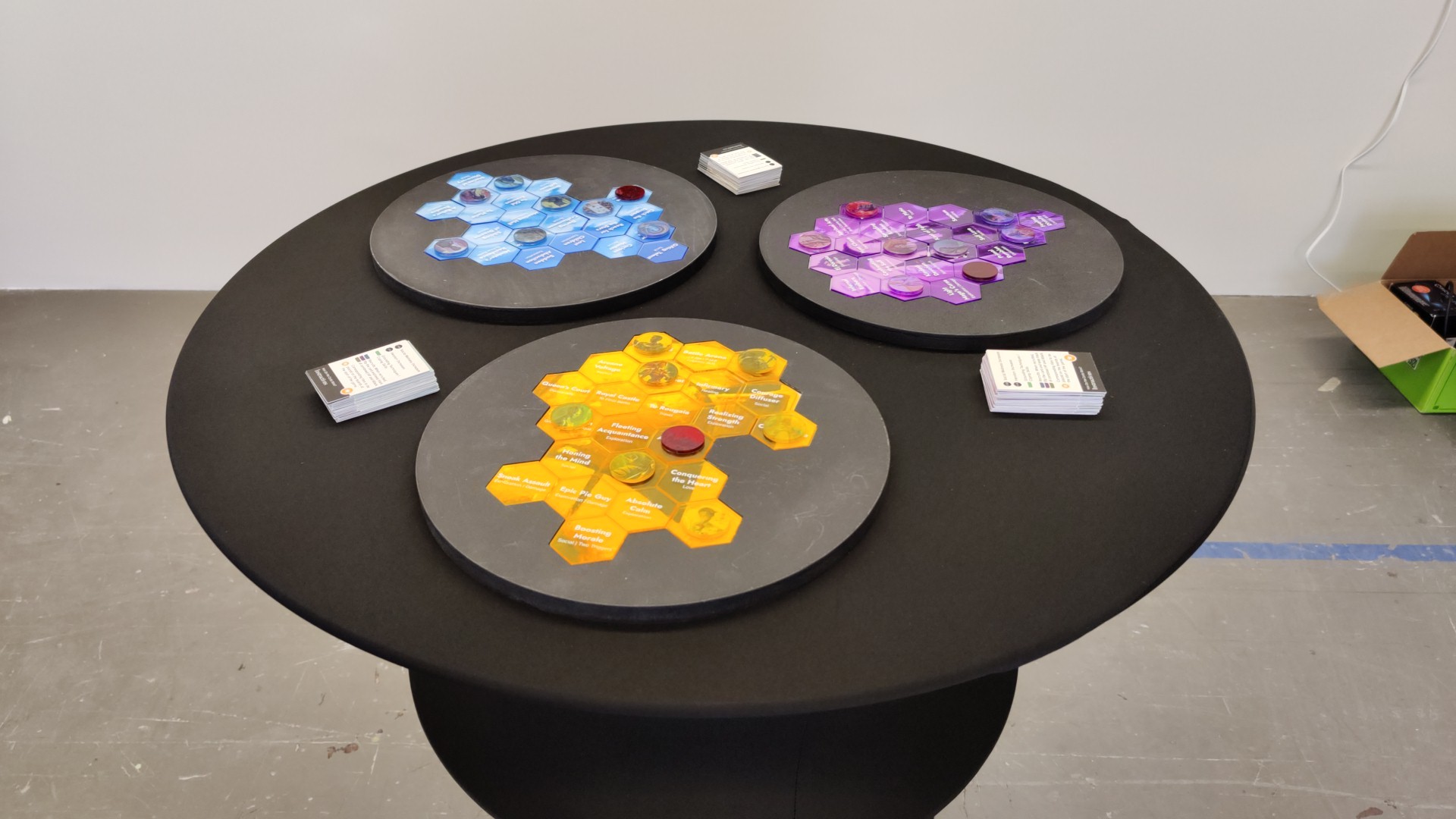
What is unique about Erasmus? • Enters a gap in the applied board game market, carefully crafting a design to alleviate social anxiety with a focus on college students. o Relies on the 10 developed guiding principles for social wellness in a board game. o Utilizes 78 social wellness activity prompts for between 2-6 players. o Consists of 78 AI assisted designed cards, 3 unique boards, 34 character designs. o Supported by a thesis paper containing literature, surveys, and interviews. o Involved consistent communication with the head of the psychological services of Syracuse University to maintain a minimal-risk design.
Research Problem
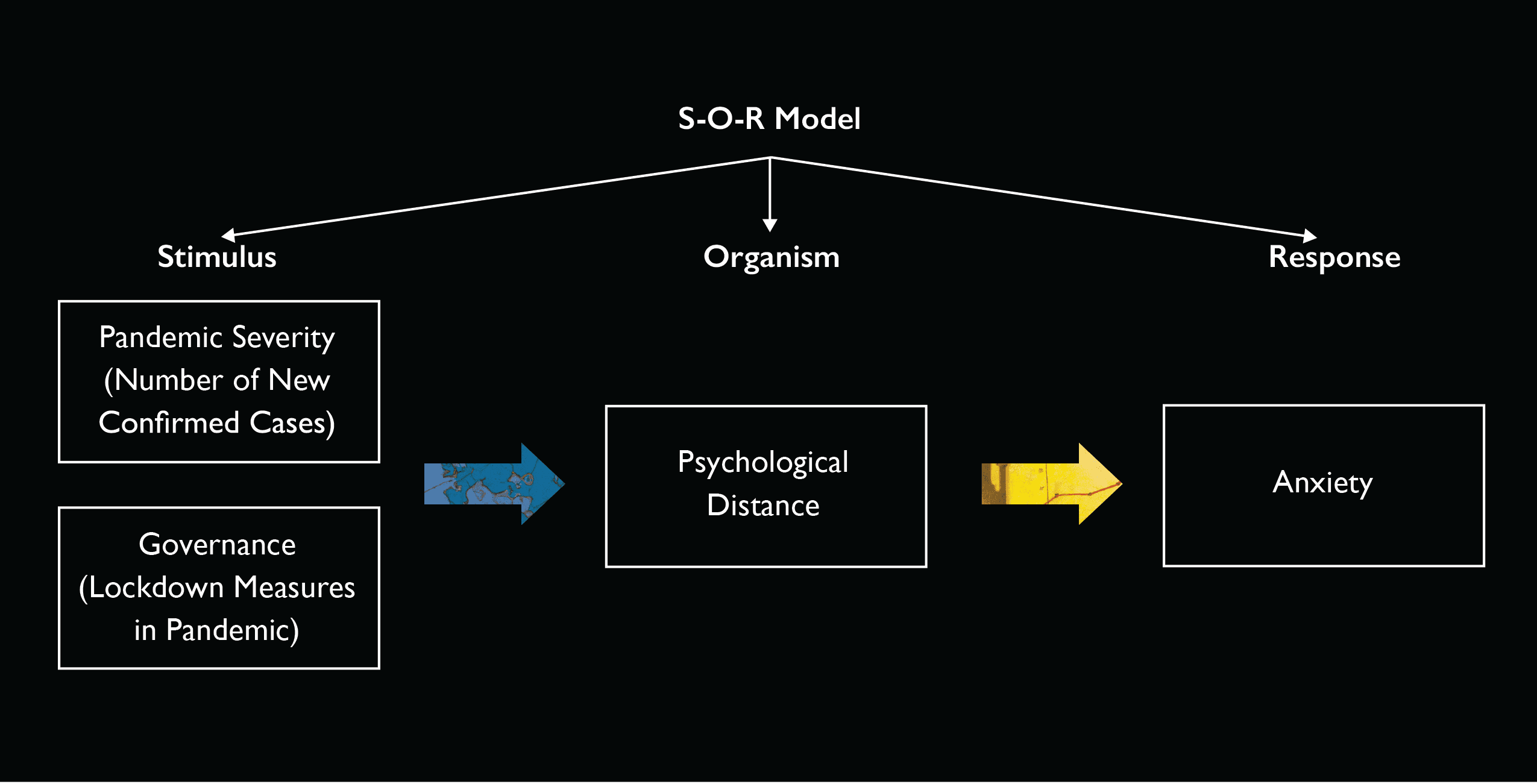
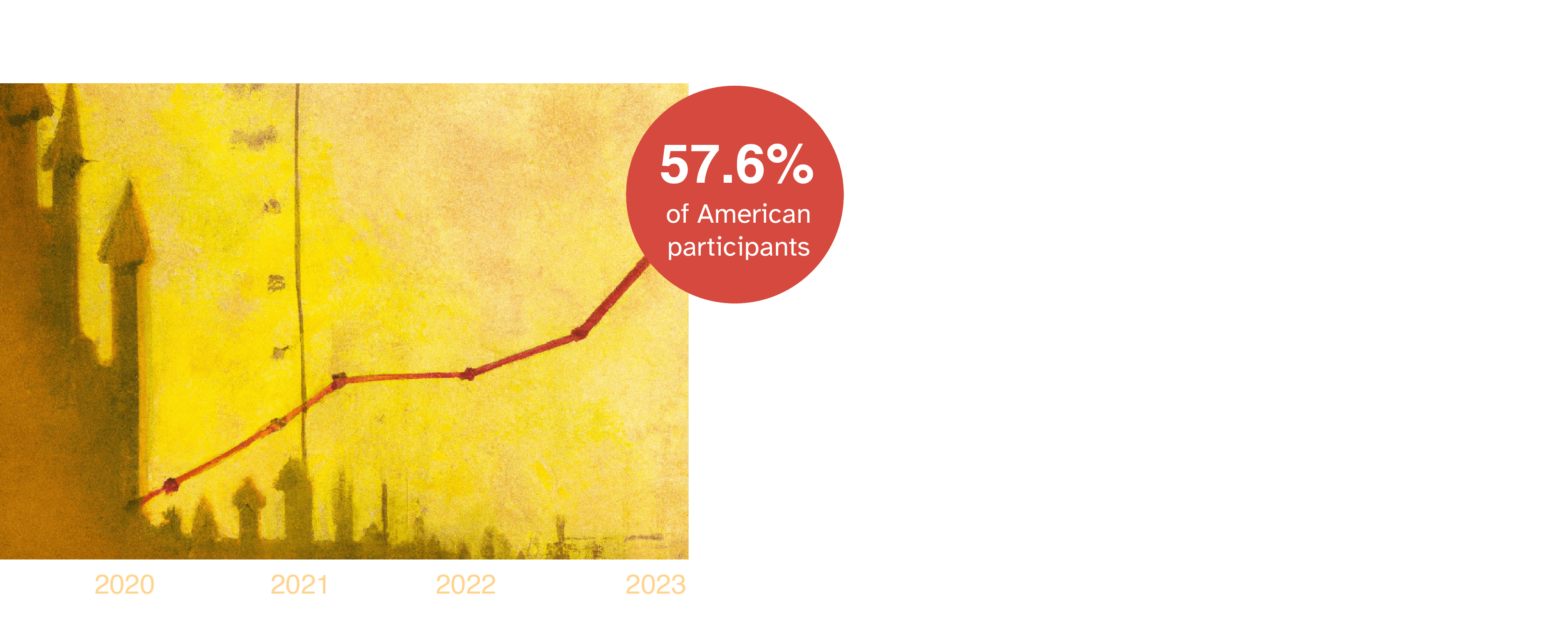
Since the COVID-19 pandemic, 37.3% of the individuals aged between sixteen and thirty have been indicated as having increased social anxiety. The US has seen a sharper rise, with 57.6% of its individuals experienced social anxiety, the highest of almost all major countries at present. Individuals between ages eighteen to twenty-four displayed the highest risk of developing social anxiety. Individuals with higher levels of education reported higher anxiety than those with lower levels of education. This puts college students at high risk of having social anxiety disorder.
Solution
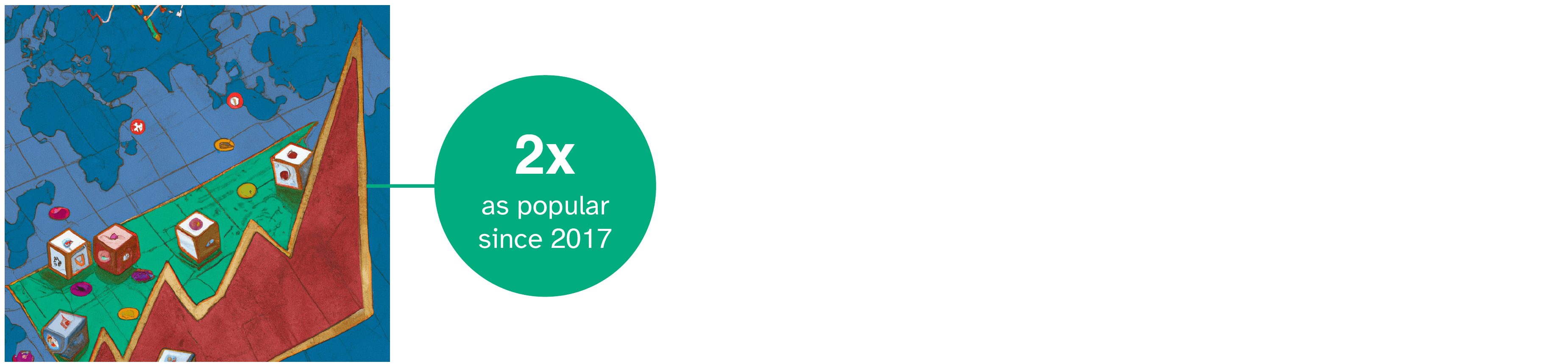
Commercial board games have properties that can help improve mental health. Board games have experienced a recent surge in popularity, with the global revenue increasing from $7.2 billion in 2017 to a potential $12 billion in 2023. While board games are commercially popular and have links to mental health wellness, there are not many cases of them being developed as applied games to optimize these mental health benefits. The overall efficacy of applied board games towards social anxiety alleviation is an open question in the scientific community. Applied board games, that can be carefully tailored to address the rising social anxiety among college students is an avenue that can be explored and developed to improve the lives of the individuals. There is potential to improve mental health and social wellness and they should be addressed, as more methods to alleviate social anxiety will improve social wellness for more people.
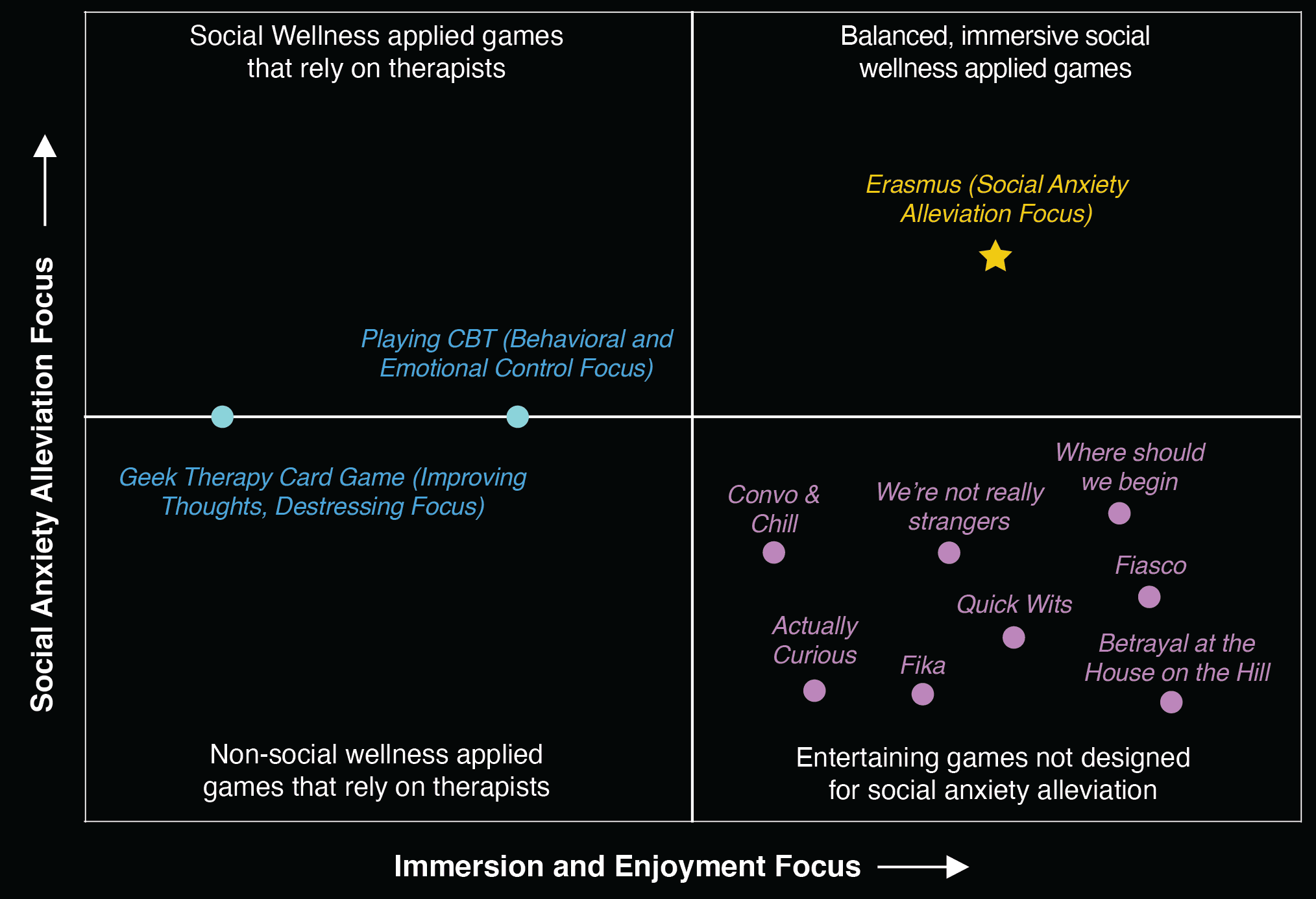
There is currently a gap in the market, with applied/therapy games being solely educational and commercial games being solely for entertainment. Applied games lack the enjoyment experience and therefore struggle to reel users in. Commercial games have serendipitous social wellness inducing properties. A fine balance must be struck between the two to achieve a novel applied game with carefully crafted social wellness boosting experiences that retains the enjoyment factor of commercial games.
Ideation and Prototyping
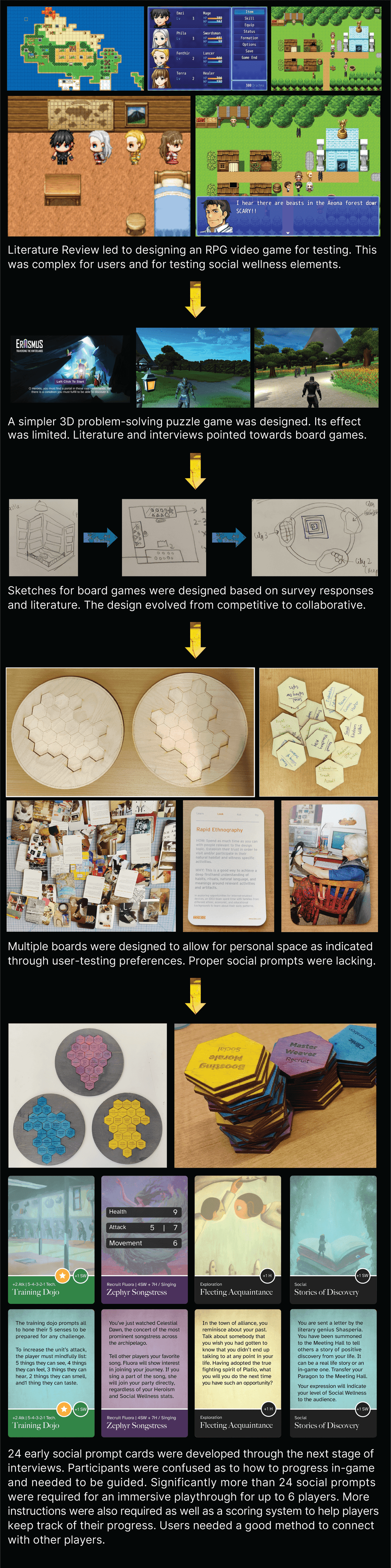
The ideation and prototyping process was done in reaction to a two stage literature review ('data gathering' and 'game system development'), 32 surveys, 16 modular user-testing interviews, and 3 full-length game focus group tests with a total of twelve participants. Throughout the process, the prototyping evolved several times, as shown below.
Pugh's Matrix Method
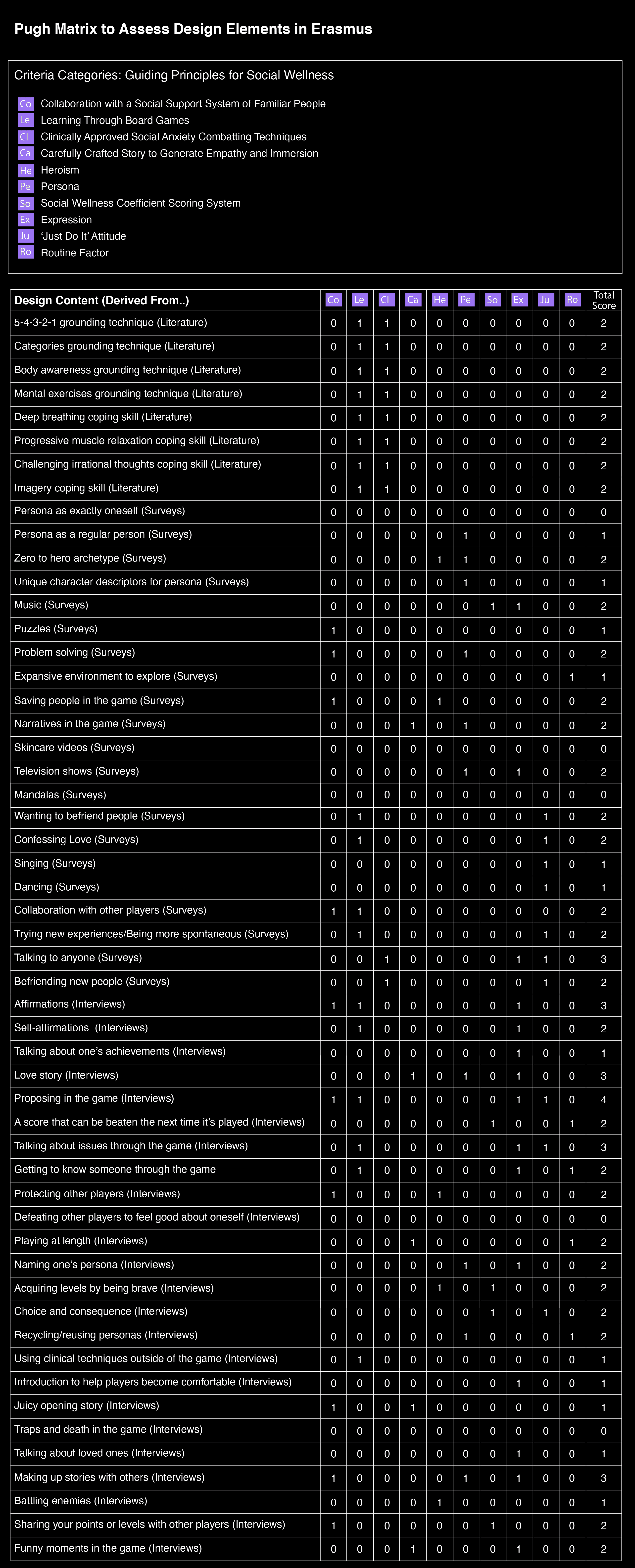
The Pugh matrix is a variable selection tool that helps determine which design content to choose from multiple options and is useful for big data lists decision-making processes. The specialized Guler and Petrisor’s Pugh matrix has been derived to assist small teams calculate variables and focuses on designing products to penetrate the market. The Pugh matrix for Erasmus uses design content gathered from all stages of literature and were also hand-picked from participant responses. The content is systematically plugged into the matrix to test for criteria matches against the 10 guiding principles that were derived for Erasmus. The same can be made clear in the table displayed below. The criteria matches were used design the content in the 78 social wellness prompt cards for Erasmus, which became the crux for boosting social wellness for users while keeping the experience fresh every time the applied game is replayed.
Final Outcome
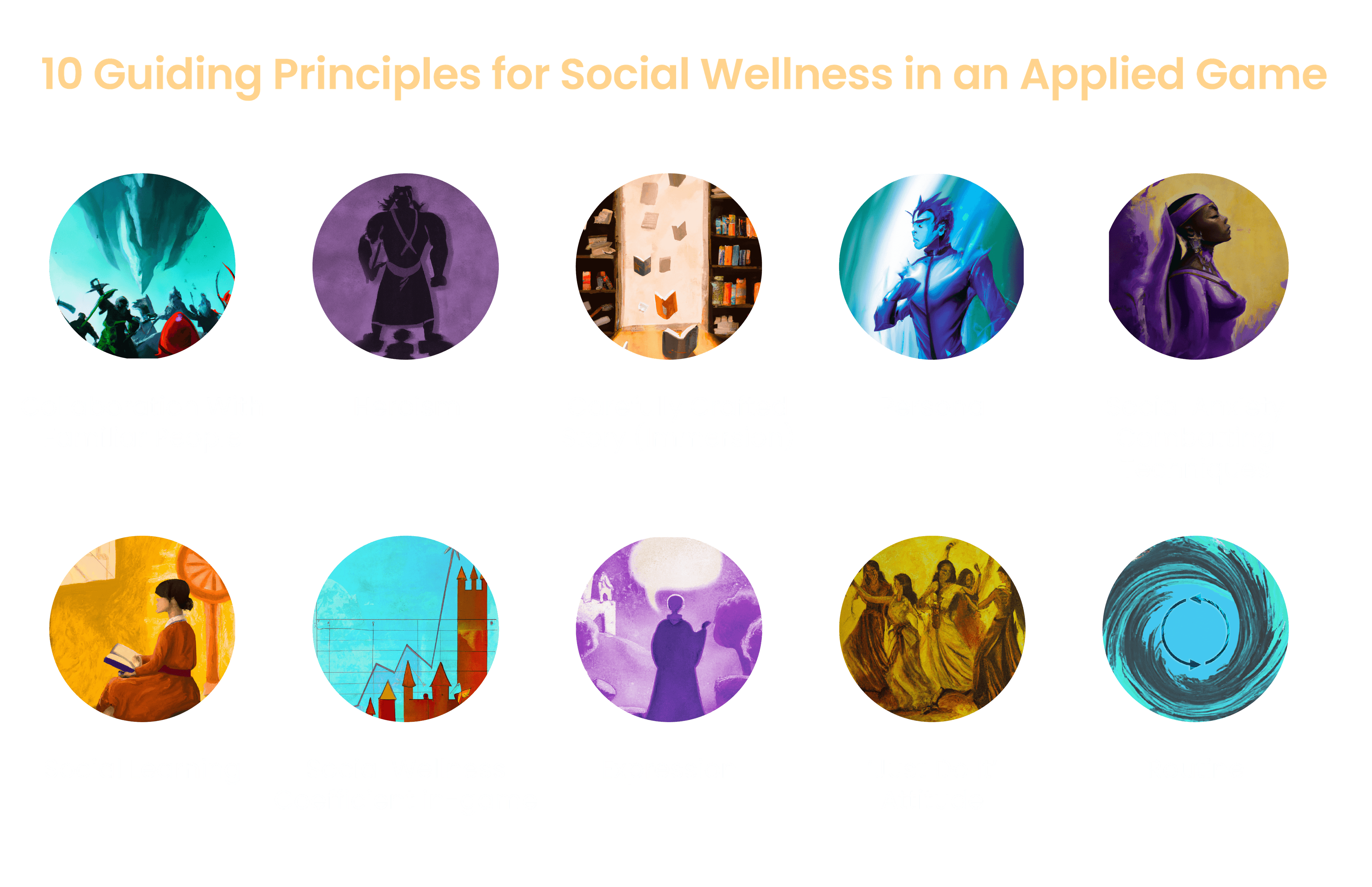
Ten themes have been developed through triangulation of research about social anxiety, therapy, and applied board games through literature and interviews. When infused into games, each of them can alleviate social anxiety. When stitched together carefully, their effects seem to be augmented.
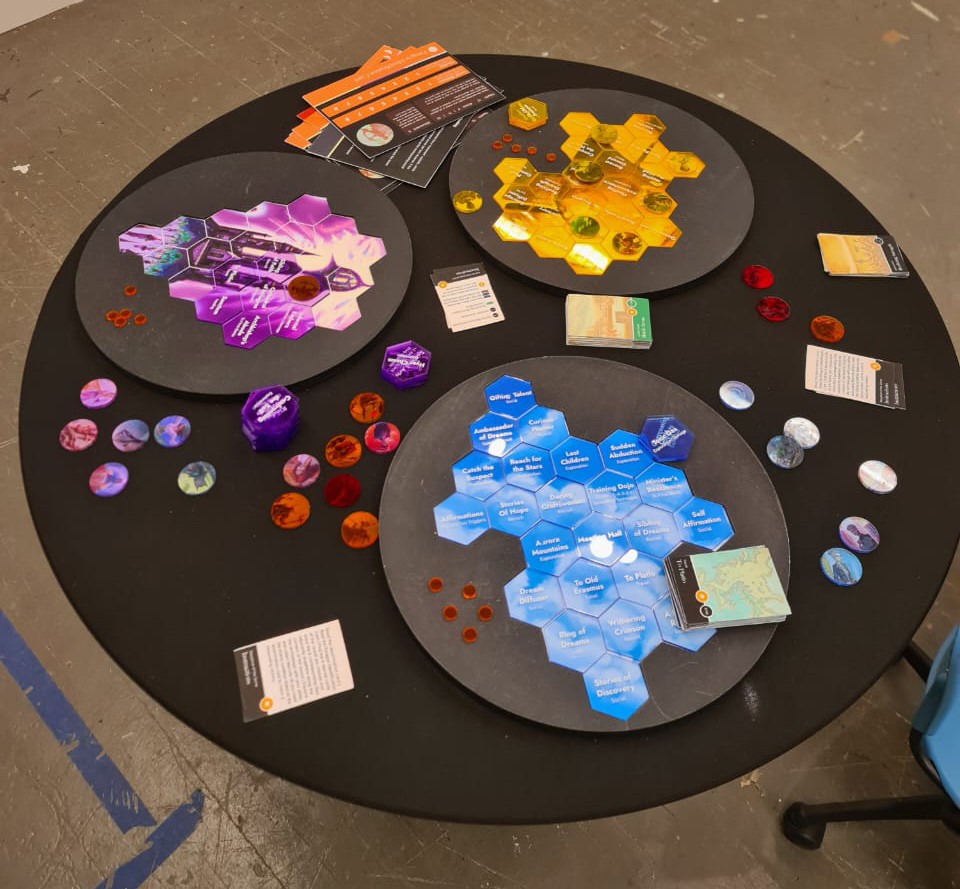
A completed game through the complete set up. The playthrough took an hour and 24 minutes. Users expressed experiencing a boost to their social comfort. The more the game is played, the more significant the social wellness benefits will be.
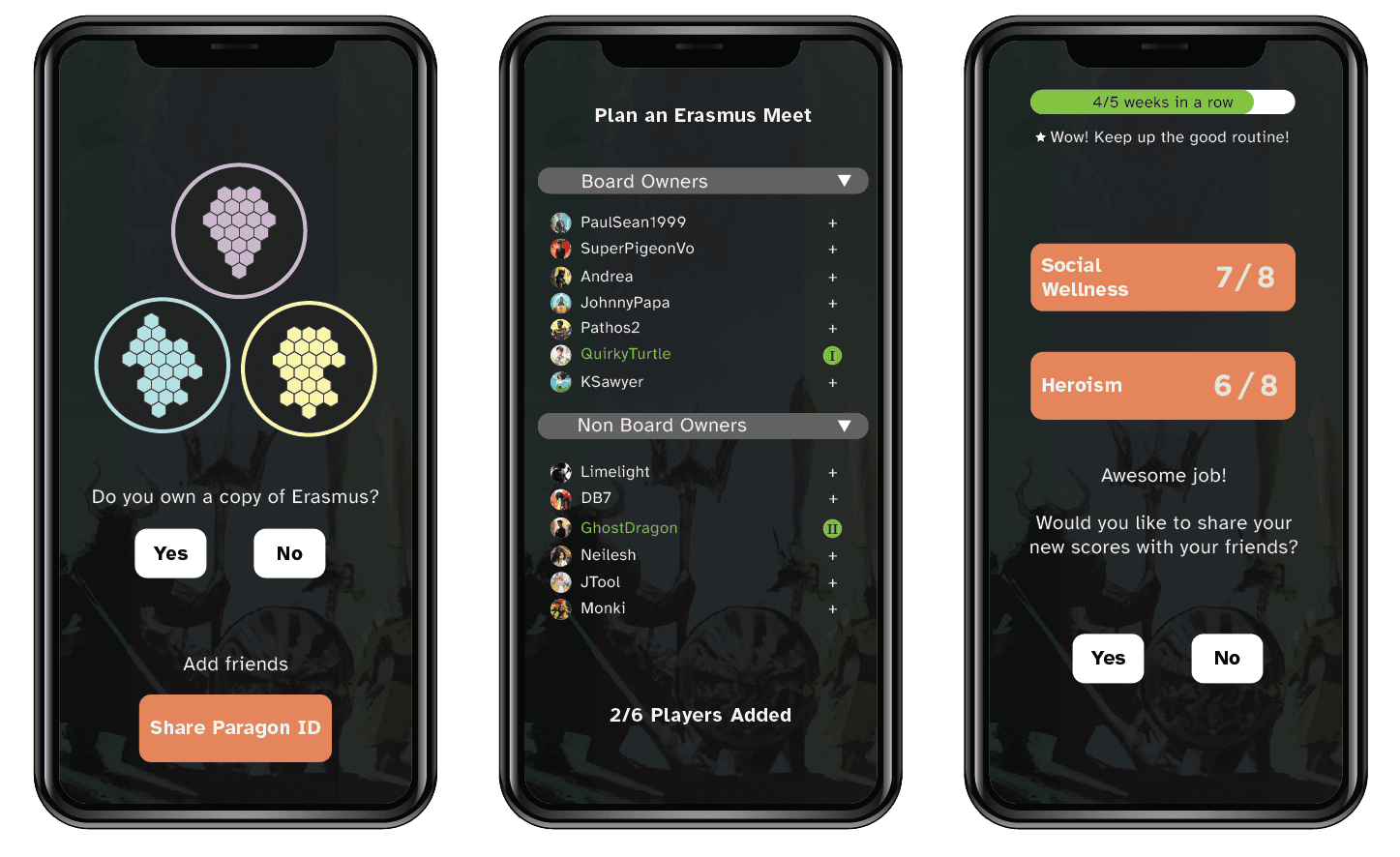
Supporting mobile app for users. Users with social anxiety may download the app and add friends. This will allow users to form a community. Since each playthrough of Erasmus ends with a collaborative score, users can post their scores on the application, promoting engagement with the game.
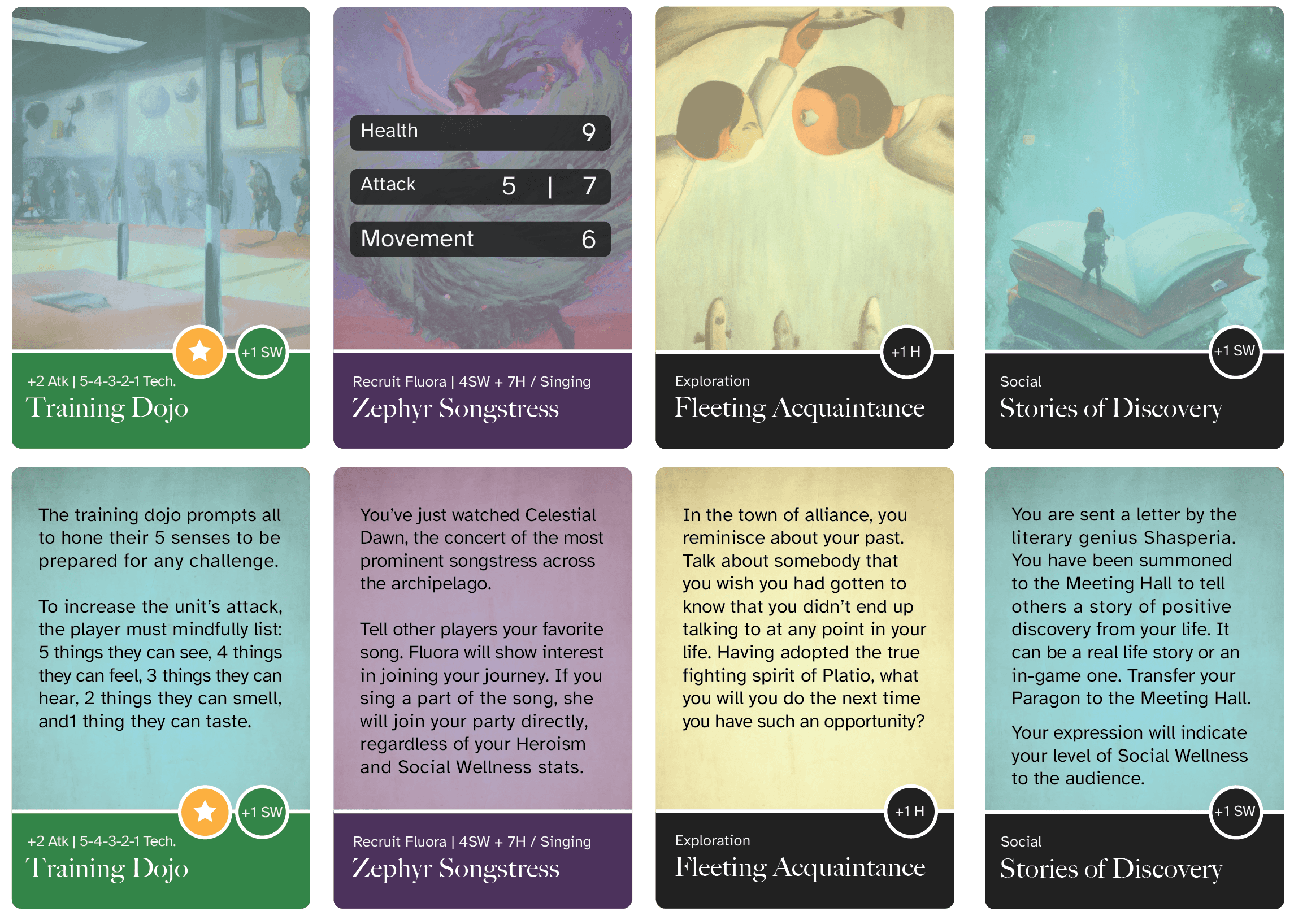
Here are archetypes of the 78 social wellnesss prompt cards. These cards form the crux of social aspect of the Eramus. Each card prompts users to perform a gamified versaion of an activity that is designed to alleviate social anxiety. They are based on the results from the Pugh Matrix.
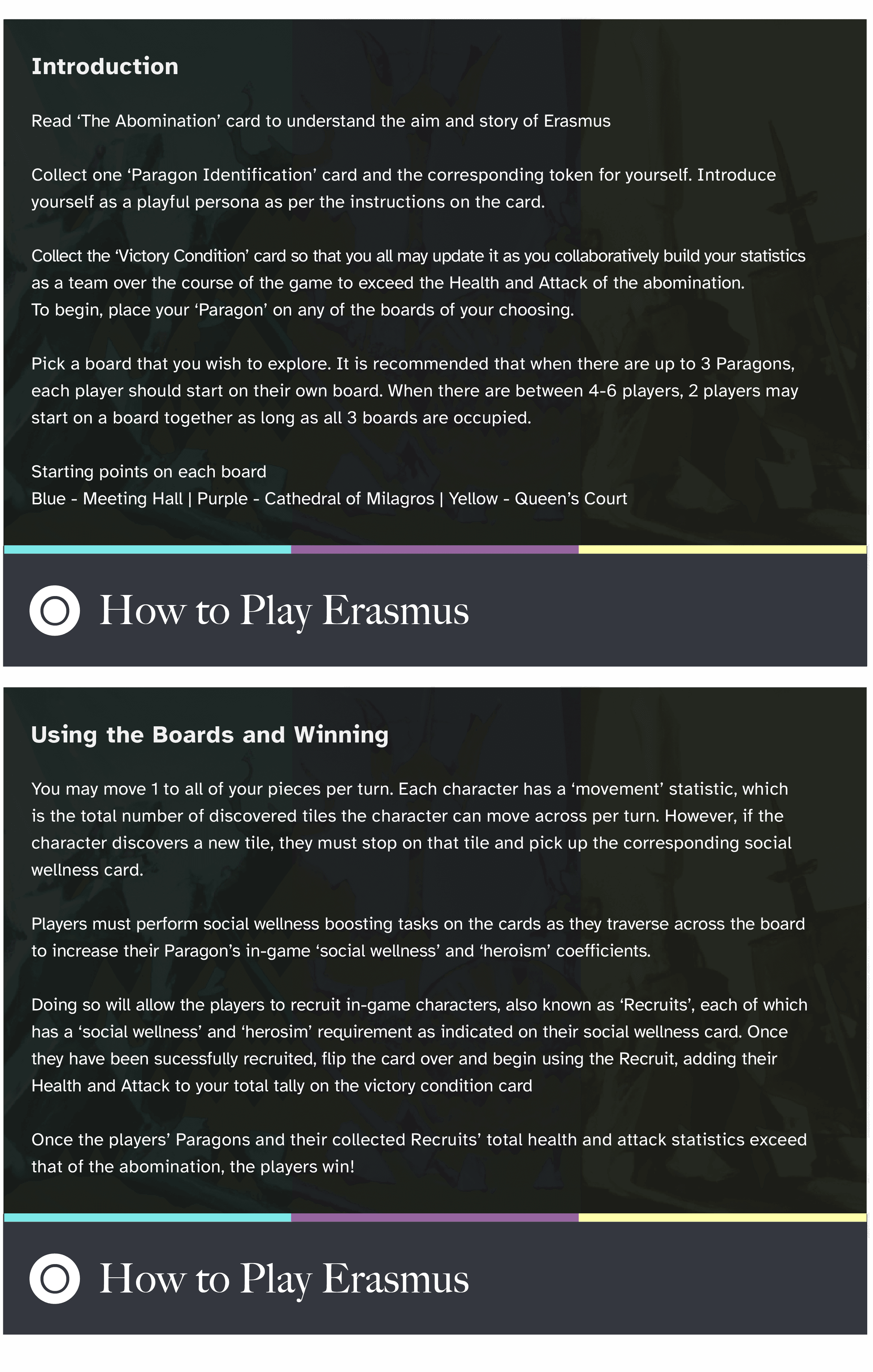
The players needed to be guided by me for the initial playthroughs as the game is complex and therefore, not intuitive on its own. An instructions card was designed to help players engage with Erasmus step by step.
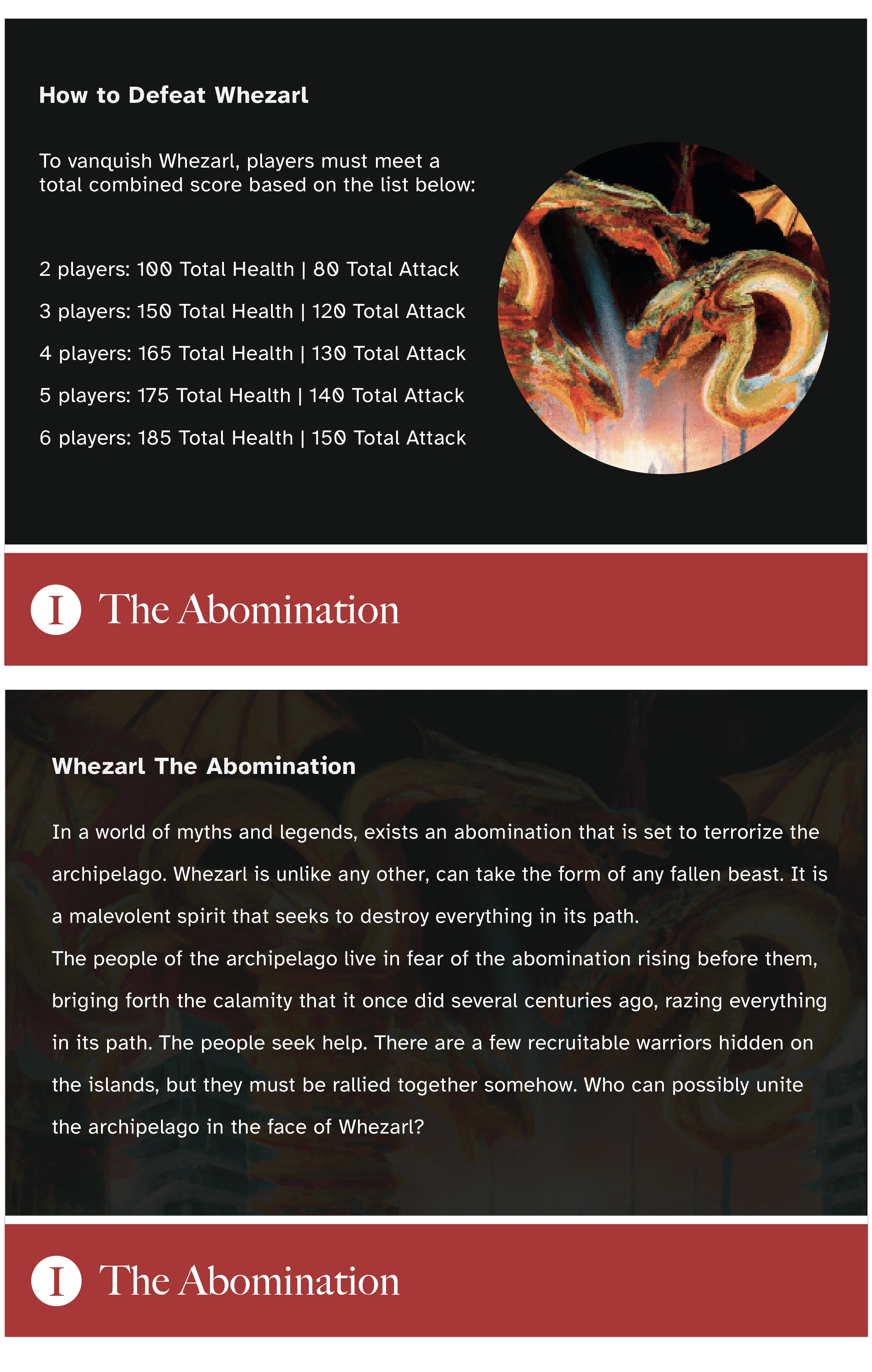
Since one of the guiding principles for Erasmus is a 'carefully crafted story', the 'abomination' serves as the villain that all players must take down together to save the 3 boards/islands of the archipelago. This aligns with other principles like 'heroism', 'collaboration', and more.
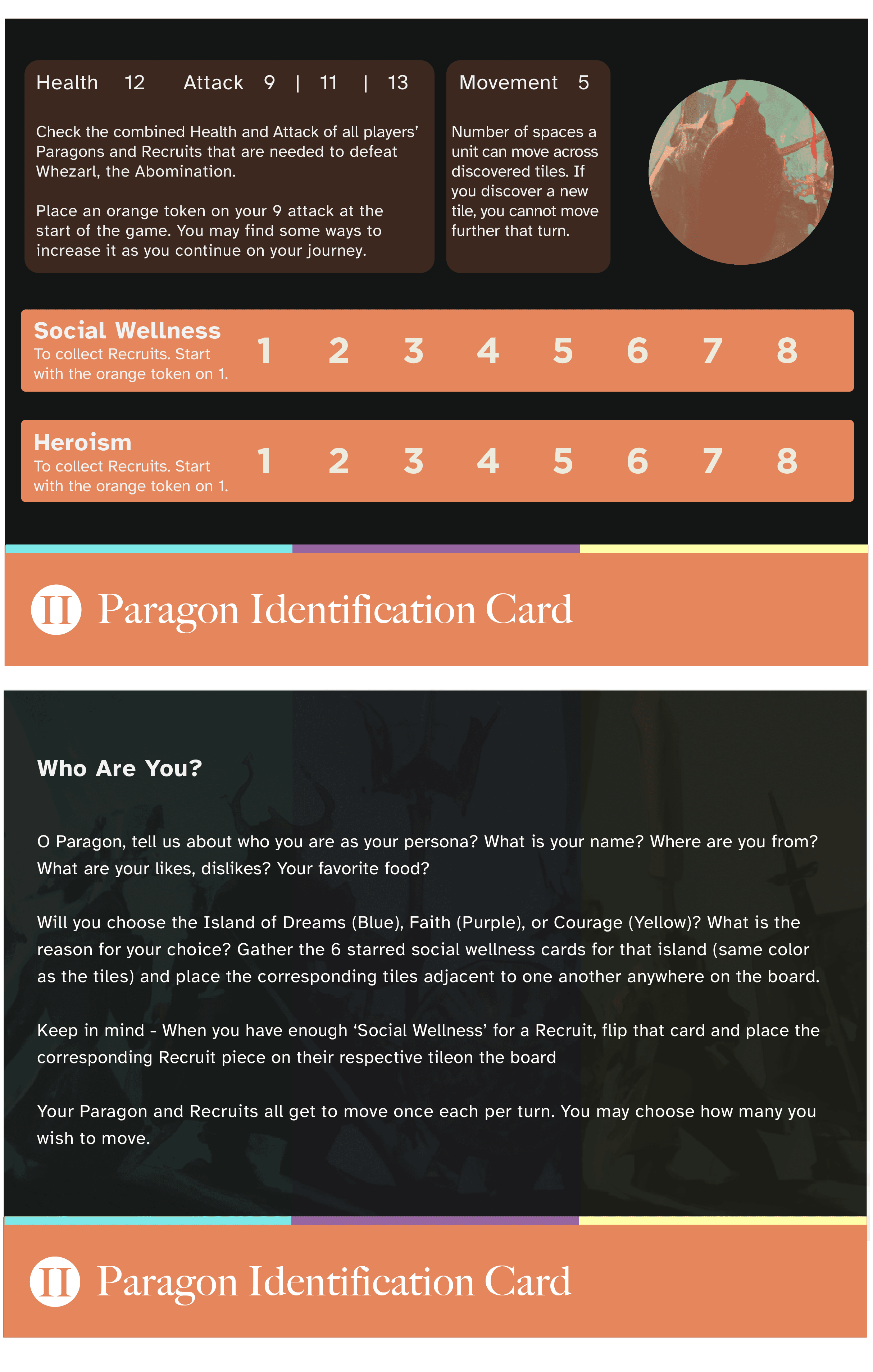
There are 6 Paragon Identification Card, one for each player. They are used to keep track of a players 'social wellness' and 'heroism' statistics. These stats are cultivated by performing the activities on the social wellness prompt cards. Heroism was added as surveys and interviews suggested that individuals would feel socially well and confident as heroes. The cards also ask players to introduce themselves, engaging with the 'expression' guiding principle.
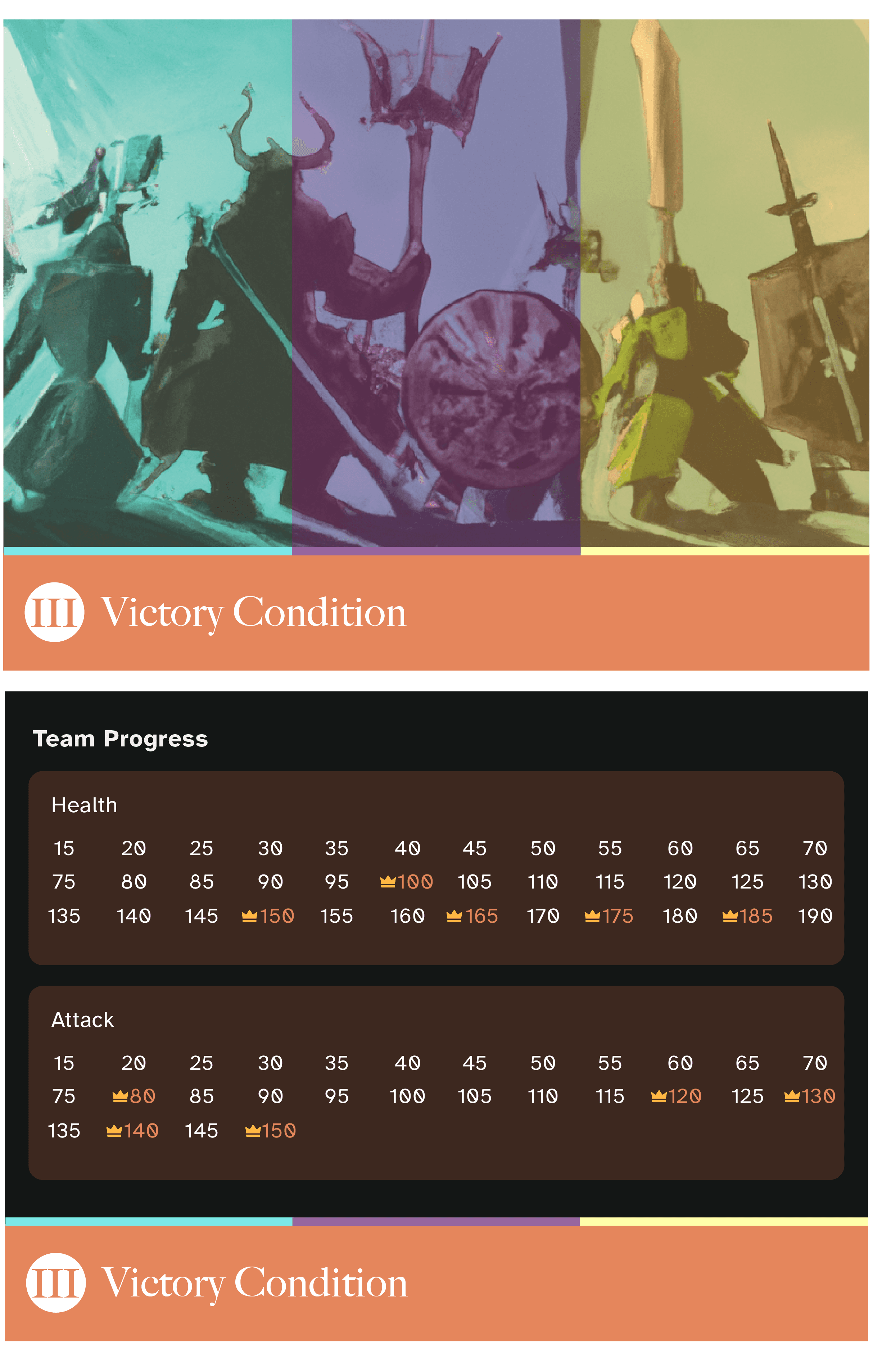
The final introductory card is the Victory Condition Card. It helps to keep track of players' combined social wellness and heroism statistics. Once the players achieve certain cumulative statistics on this card (depending on how the game is being played), they will automatically defeat the abomination and win. To achieve victory, multiple social activities will be performed by players through the social wellness prompt cards.
Overall Reflections
The final result is a fully playable applied board game for between 2-6 players. It takes around an hour to complete, and has been deeply infused with the 10 guiding principles for social wellness. The thesis paper was a success. The next step is to refine the gameplay of the board game even further, after which it will be sent for clinical trials for social wellness. The findings indicate that there is a prominent linkage between social anxiety alleviation and applied board games and much potential for social anxiety alleviation. No applied games were discovered that were specifically designed to alleviate social anxiety. Commercial games possess slivers of unintentional social anxiety alleviating elements. Erasmus, which is possibly the first design of its kind, has been developed through 10 carefully researched social wellness promoting guiding principles. Participants both helped develop and responded well to these guiding principles as well as the physical and content aspects of Erasmus. They displayed and responded with positive results in terms of social wellness. Their readiness and comfort to perform conversational as well as challenging social wellness activities, was much higher towards the end of the interventions than at the beginning. This indicated that as the game progressed, they displayed higher levels of social wellness. Some displayed bigger improvements than others. A key takeaway from the design is that the literature analysis suggested balancing social wellness boosting aspects with entertainment to immerse the users. This was different from observed studies in the literature review, and the balance helped achieve positive results through participants. Erasmus was able to elicit ‘courageous’ behaviors from participants with social anxiety as they were able engage with the game to adopt personas, express, sing, dance, learn grounding techniques and coping skills, converse openly with other players, affirm other participants, and perform self-affirmations. Multiple participant responses indicated higher levels of overall social comfort and wellness.
Limitations
As a non-expert in psychology, I understand my position and urge for Erasmus to be studied in clinical settings and trials. Despite the applied game showing promising results in interview testing, refinement of such a complex design is still possible as this area is under researched and there is much scope for development. Many kinds and genres of games of this nature can be built. Newer guiding principles for social wellness can be added to strengthen the effectiveness of such an intervention further. The applied game and paper worked with participants that self-attested as having social anxiety. As a non-expert in psychology, no scientifically numerical measurements were collected in response to the participants and data was collected through qualitative and quantitative questions as well as observation. While it was clear that the guiding principles were effective, the next step will be to further develop Erasmus to be submitted for clinical trials, gathering empirical data as to how effective each element of the applied game is. The obtained data can be used to reconfigure and further improve the balance of the guiding principles improving its effectiveness.